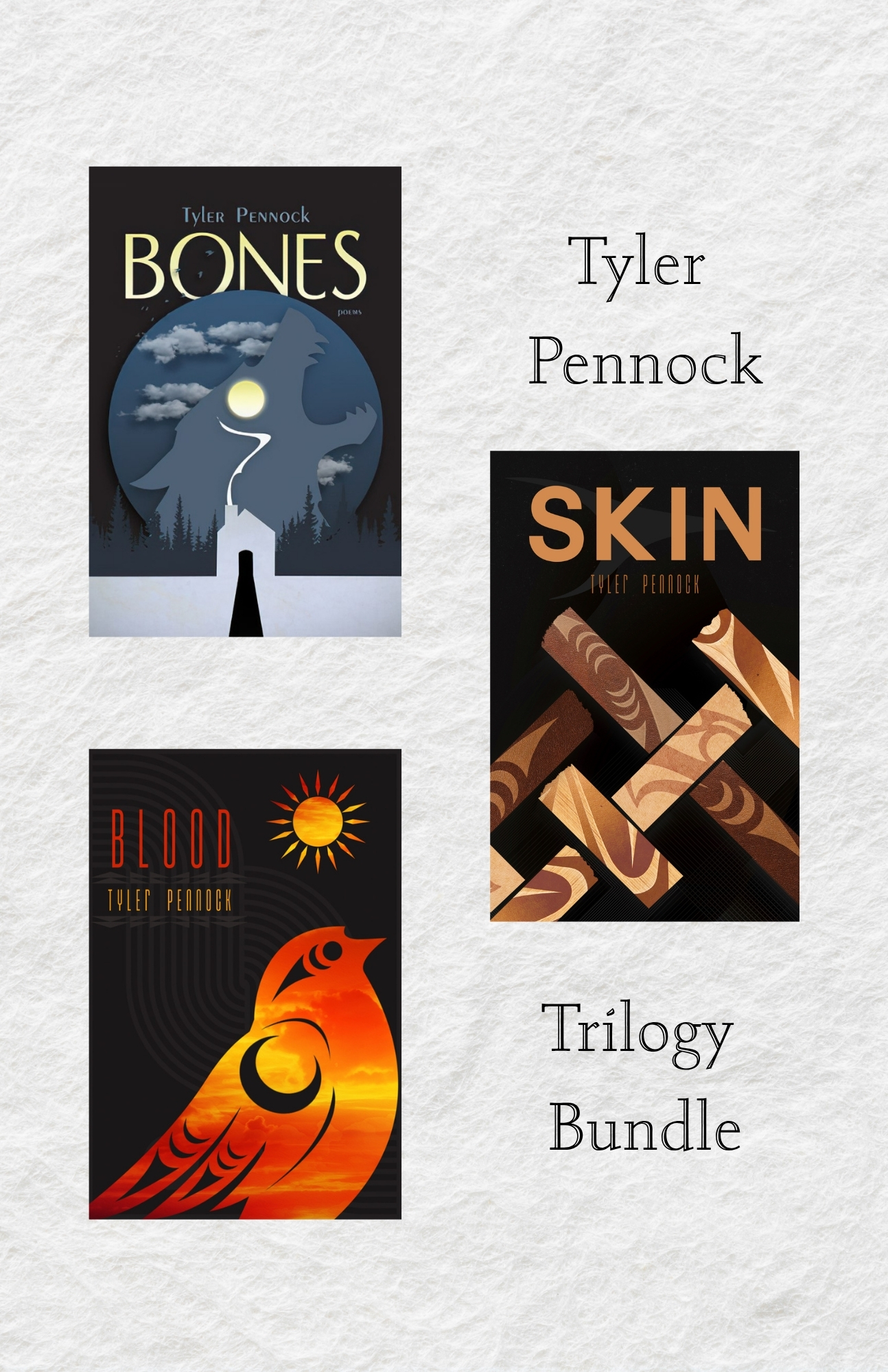



Tyler Pennock Trilogy
Price range: $35.00 through $65.00
A bundle of all three books in Tyler Pennock’s trilogy, including Bones, Blood, and Skin.
Bundle $65.00 | |
EPUB + PDF $35.00 |
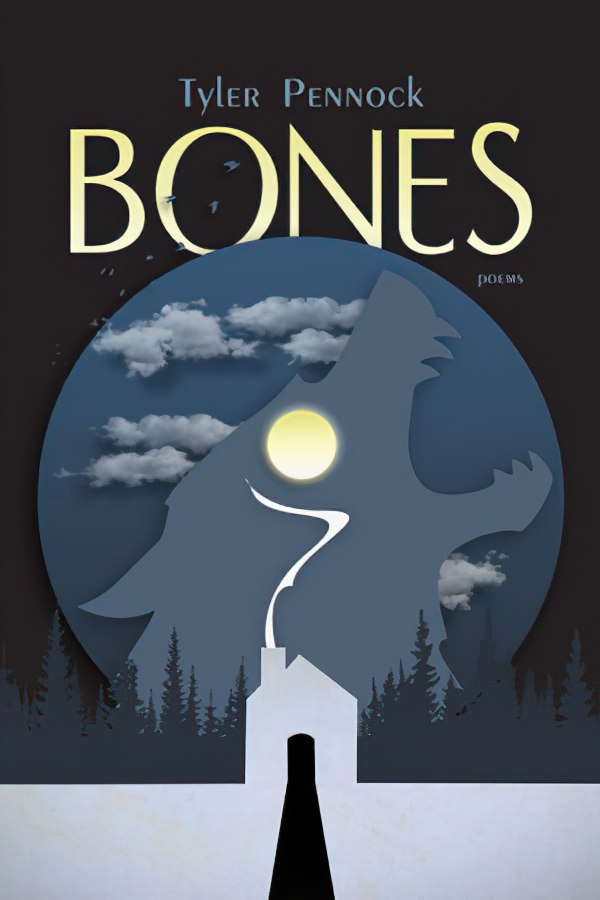
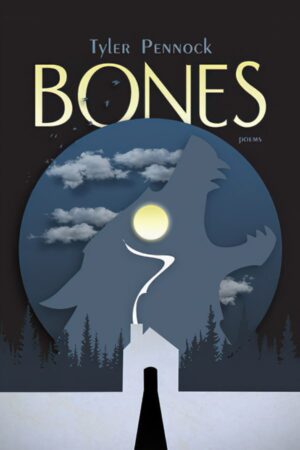
Bones, Tyler Pennock’s wise and arresting debut, is about the ways we process the traumas of our past, and about how often these experiences eliminate moments of softness and gentleness. Here, poems journey inward, guided by the world of dreams, seeking memories of a loving sister lost beneath layers of tragedy and abuse. With bravery, these poems stand up to the demons lurking in the many shadows of their lines, seeking glimpses of a good that is always just out of reach.
At moments heart-rending and gut-punching, at others still and sweet, Bones is a collection of deep and painstaking work that examines the human spirit in all of us. This is a hero’s journey and a stark look at the many conditions of the soul. This is a book for survivors, for fighters, for dreamers, and for believers.
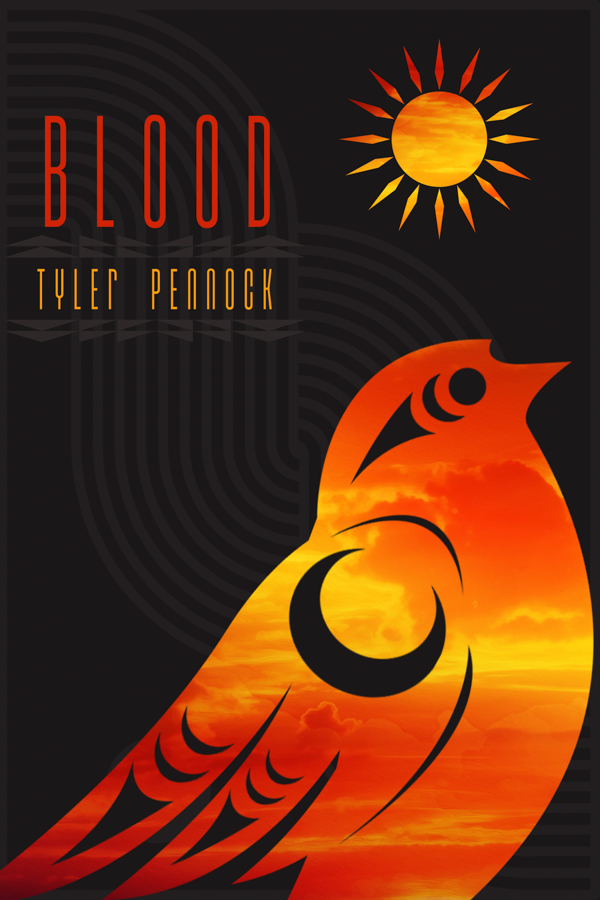
Conceived in the same world as their acclaimed debut, Bones, Tyler Pennock’s Blood centres around a protagonist who at first has difficulty knowing the difference between connection and pain, and we move with them as they explore what it means to want. Pennock weaves longing, intimacy, and Anishinaabe relationalities to recentre and rethink their speaker’s relationship to the living — never forgetting non-human kin.
This book is a look at how deep history is represented in the everyday; it also tries to answer how one person can challenge the impacts of that history. It is a reminder that Indigenous people carry the impacts of colonial history and wrestle with them constantly. Blood explores the relationships between spring and winter, ice and water, static things and things beginning to move, and what emerges in the thaw.
Skin is a haunting, genre-blurring collection rooted in Treaty 8 territory, where memory, place, and loss intertwine. When a Two-Spirit Indigenous person returns home, they begin to understand the world through their relationships to others. Meditating on the difficulty of belonging, especially when shaped by both colonial and communal wounds, Pennock lets spectral inheritances speak.
Through lyrical, found, and experimental forms, Pennock excavates what―and who―is remembered, grieved, and built upon in the violent memoryscapes of the prairies. Here, haunting is methodology: ghosts are kin, time loops, and memory scratches at the walls. For readers of Billy-Ray Belcourt and Jeanette Armstrong, Skin conjures. It listens. It offers poetry as a kind of skin―porous, protective, remembering―for those still finding their way home.
About the Author
Related Titles